Underground vs. Mainstream: How Techno Split in Two and Why the Underground Is Winning
Somewhere around 2012, electronic music divided into two parallel universes.
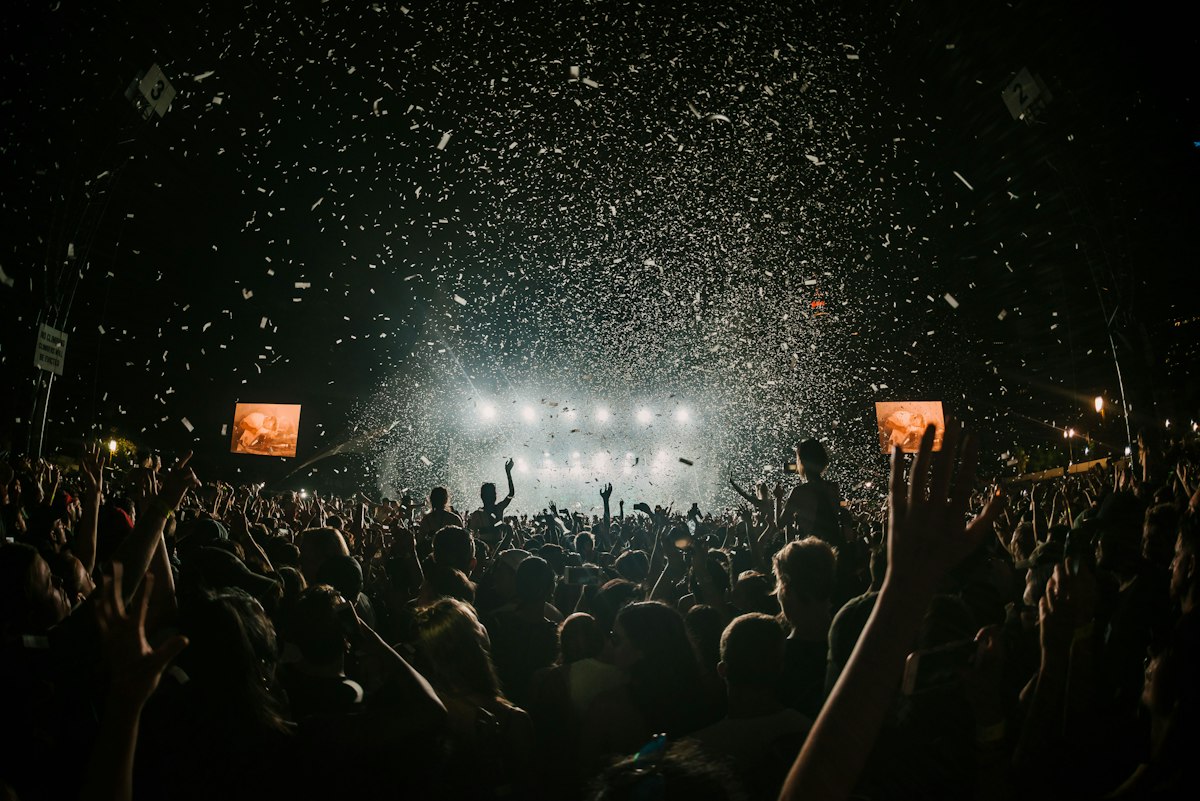
In one universe, DJs became headliners. Stages got bigger. Pyrotechnics replaced subtlety. The drop became the point. A DJ in a mainstream festival could fill a stadium-sized tent with hands-in-the-air euphoria, and the audience knew every buildup was heading somewhere explosive. This was EDM — electronic dance music rebranded as a spectacle, a product, a lifestyle with its own merchandise lines and energy drink sponsorships.
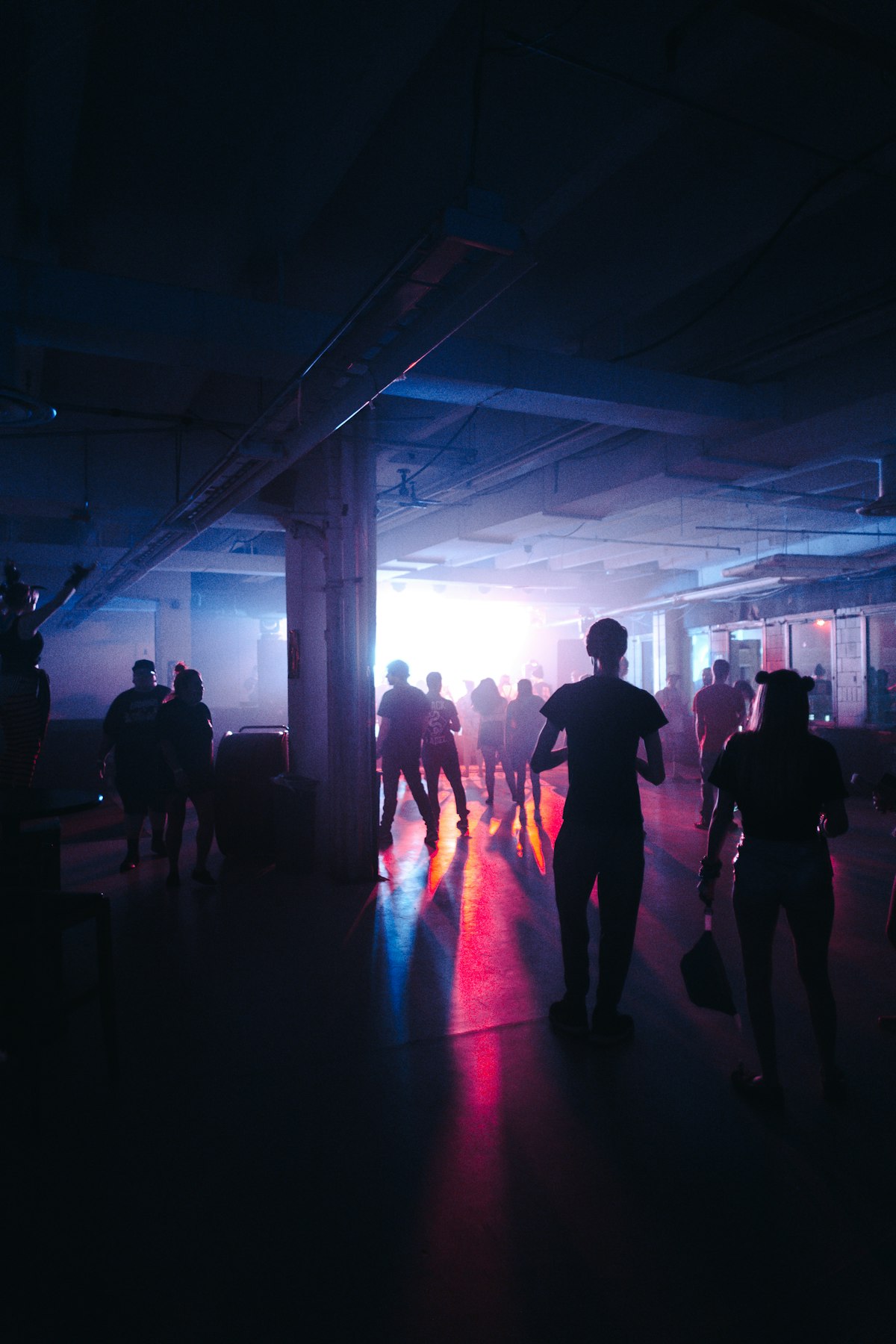
In the other universe, the music got darker. Clubs kept the lights low and the phones in your pocket. A four-hour set could unfold without a single moment designed for a video clip. The audience danced with their eyes closed. The DJ wasn't a celebrity — they were a conduit. This was the underground, and it never went away. It just stopped competing for the same audience.
Now, in 2026, the underground is having a moment. And the reasons tell you something about what people actually want from music when nobody's watching.
The split
To understand the divide, you need to go back to when electronic music went mainstream in America — roughly 2011 to 2015. Skrillex won Grammys. Deadmau5 played arenas. Calvin Harris headlined Coachella. The "EDM bubble" inflated festival budgets, ticket prices, and production values to levels that would have been unimaginable a decade earlier.
The music itself changed. Tempos increased, drops got harder, and the gap between a dance track and a pop song narrowed until it disappeared. Major labels signed DJs. Vegas residencies became the top of the pyramid. Electronic music had gone from warehouse culture to bottle-service culture in about five years.
The underground scene watched this happen with a mixture of dismay and relief. Dismay because the music that defined their identity was being packaged as something they didn't recognise. Relief because the mainstream spotlight moved elsewhere, leaving them alone to do what they'd always done.
Two festivals, two worlds
The difference is clearest when you compare actual events.
Tomorrowland in Boom, Belgium, is the cathedral of mainstream electronic music. Multiple weekends, 400,000+ attendees, a fantasy-themed main stage that costs millions to build, and a lineup that spans every subgenre from future bass to hardstyle. It sells out in minutes. The production values are extraordinary. The experience is designed to be spectacular, shareable, and emotionally overwhelming. Nobody questions whether it's a good time. It's an incredible good time.
Dekmantel in Amsterdam occupies a different planet. Held in the Amsterdamse Bos — a park three times the size of Central Park — it programmes acts across house, techno, experimental electronics, and ambient music with a curatorial eye that treats each set as part of a larger conversation. The stages are intimate. The sound systems are pristine. The audience is there for the music, not the content. You might hear an unreleased track that never appears on any streaming platform. You might also hear a DJ play records from the 1980s and make them feel urgent.
Unsound in Krakow goes further. It's not really a festival in the conventional sense — it's a programme of performances, installations, and talks that happen across venues in the city over several days. Dark rooms, immersive visuals, and a commitment to artistic experimentation that borders on academic. It pushes the boundaries of what electronic music can be, and it doesn't much care whether that's commercially viable.
Neither approach is wrong. But they're not the same thing, and pretending they are does a disservice to both.
The Berghain effect
You can't talk about underground techno without talking about Berghain.
The Berlin club, housed in a former power station, has become the most mythologised nightlife venue in the world. Its influence on festival culture is profound — not because of its programming (though that's exceptional) but because of the rules it established.
No phones. No photos. No cameras. Stickers placed over your phone's camera lens at the door. The policy exists to protect the anonymity of attendees, many of whom come from Berlin's queer community, and to create an environment where the experience exists only in the room, only in that moment. If you weren't there, you can't see it. If you were, you don't need to prove it.
In March 2024, Berlin's techno scene — with Berghain at its symbolic centre — was officially added to Germany's National Inventory of Intangible Cultural Heritage by UNESCO. The campaign, led by the non-profit Rave the Planet and supported by figures including Dr. Motte (founder of the Love Parade) and Tresor founder Dimitri Hegemann, had been underway since 2011. When researchers from Berlin's Free University studied why the recognition was granted, they pointed to "the careful and sustainable curation of the atmosphere in the clubs" as a key factor.
In other words: UNESCO didn't recognise Berlin techno because of the music alone. It recognised the culture — the phone bans, the door policies, the protection of safe spaces, the deliberate rejection of commercialisation. The underground's values became a heritage asset.
Hard techno and the new generation
The most visible sign of the underground's resurgence is hard techno — faster, heavier, more aggressive tracks that have exploded in popularity since 2023.
Hard techno's rise has created an interesting tension. On one hand, it's grassroots: the growth came from micro-festivals, local events, and DJ mixes shared on SoundCloud and YouTube, not from label marketing campaigns. On the other hand, its popularity has attracted mainstream attention. When hard techno tracks start appearing in Spotify playlists and TikTok edits, purists worry about dilution. The debate — is this the underground going mainstream or the mainstream strip-mining the underground? — is the same debate electronic music has had since rave went legal in the nineties.
The answer is probably both. The core community continues to programme events with uncompromising lineups. Detroit's Movement festival, for example, honours techno's roots with an exclusion of pop-EDM crossover acts — just authentic underground electronic music from originators and emerging artists. The mainstream takes what it can sell and leaves the rest.
Why the underground is growing
Several forces are converging to drive the underground's current moment.
Phone fatigue. After a decade of documenting every experience for social media, a growing audience actively wants events where phones aren't welcome. The appeal of Berghain's policy has spread to festivals and club nights worldwide. Not being able to film something has become a feature, not a limitation.
Authenticity hunger. The mainstream festival circuit has become so polished, so produced, so corporate that its very perfection creates demand for the opposite. A dark room with a good sound system and a DJ who knows what they're doing offers something that no amount of LED panels can replicate: the feeling that you're participating in something real.
The economics of small. While mega-festivals struggle with rising artist fees, insurance costs, and production budgets, the underground operates at a different scale. A warehouse party with 500 people doesn't need a seven-figure headliner. It needs a sound system, a dark room, and someone who can play records for five hours without boring anyone. The overhead is lower. The margins are different. The model is more sustainable.
Community over content. The underground has always prioritised the communal experience over the individual one. You don't go to Berghain to post about it. You go to be in a room with strangers who are moving to the same sound. In an age of algorithmic isolation, that collectivity has become more valuable, not less.
The false binary
The truth is more nuanced than "underground good, mainstream bad." Tomorrowland introduces millions of people to electronic music who might never have heard it otherwise. Some of them will eventually find their way to a Dekmantel or an Unsound or a 3 a.m. warehouse set that changes how they think about sound.
The underground benefits from the mainstream's existence. It gives it something to define itself against. And the mainstream borrows from the underground constantly — sounds, aesthetics, even the language of authenticity.
What's changed is the balance. For a decade, the mainstream consumed all the oxygen. Now the underground is breathing again, drawing new audiences who want less spectacle and more substance. The music hasn't changed. It's still four beats to the bar, a kick drum, and something happening in the space between the notes.
The difference is whether you're watching it through a phone screen or feeling it through the floor.