World's Biggest Music Festivals by Attendance
Scale changes what a festival can be. At 800,000, Summerfest is a temporary city. At 400,000, Tomorrowland is a theme park. At 210,000, Glastonbury is a civilization. These twelve festivals are the largest on Earth by reported attendance, and each one uses its size differently.
Summerfest — 800,000
Milwaukee's Summerfest holds the Guinness World Record as the world's largest music festival. Running since 1968 along the Lake Michigan lakefront, it spreads across multiple weekends in late June and July with 12 stages running simultaneously. The Henry Maier Festival Park is a permanent venue complex, not a temporary build — Summerfest is infrastructure, not an event. The scale means you can attend multiple days and never repeat a genre.
Tomorrowland — 400,000
Belgium's Tomorrowland draws roughly 400,000 across two identical weekends in Boom, making it the world's largest electronic music festival. The mainstage is rebuilt each year into a multi-story themed structure — past editions have featured volcanos, cathedrals, and enchanted libraries. Founded in 2005, Tomorrowland grew from a single-day event to a global brand with editions in Brazil, Thailand, and the French Alps — one of the fastest expansions in the festival industry.

SXSW — 300,000
Austin's South by Southwest is less a festival and more an industry collision. Roughly 300,000 people descend on Austin for ten days spanning music, film, interactive media, and comedy across 100+ venues — a formula that has run every March since 1987. The music program alone runs 2,000+ acts. SXSW's scale is measured in city blocks, not festival acres.

Glastonbury — 210,000
The world's largest greenfield performing arts festival occupies 900 acres of Worthy Farm in Somerset, England. Founded by Michael Eavis in 1970, Glastonbury hosts around 210,000 people across five days with over 100 stages. Unlike other mega-festivals, Glastonbury has no corporate naming sponsor and takes a fallow year every fifth cycle to let the farmland recover.

Ultra Music Festival — 165,000
Miami's Ultra draws around 165,000 across three days in Bayfront Park. Founded in 1998, it is one of the original large-format electronic festivals and the anchor of Miami Music Week. Ultra's downtown waterfront setting — stages facing Biscayne Bay with the skyline behind — gives it one of the most recognizable backdrops in electronic music.

Governors Ball — 150,000
New York City's Governors Ball draws around 150,000 across three days in Flushing Meadows Corona Park, Queens. Founded in 2011, it books across rock, hip-hop, pop, and electronic. The NYC location means subway access, no camping logistics, and aftershows at Manhattan and Brooklyn venues.
Roskilde Festival — 130,000
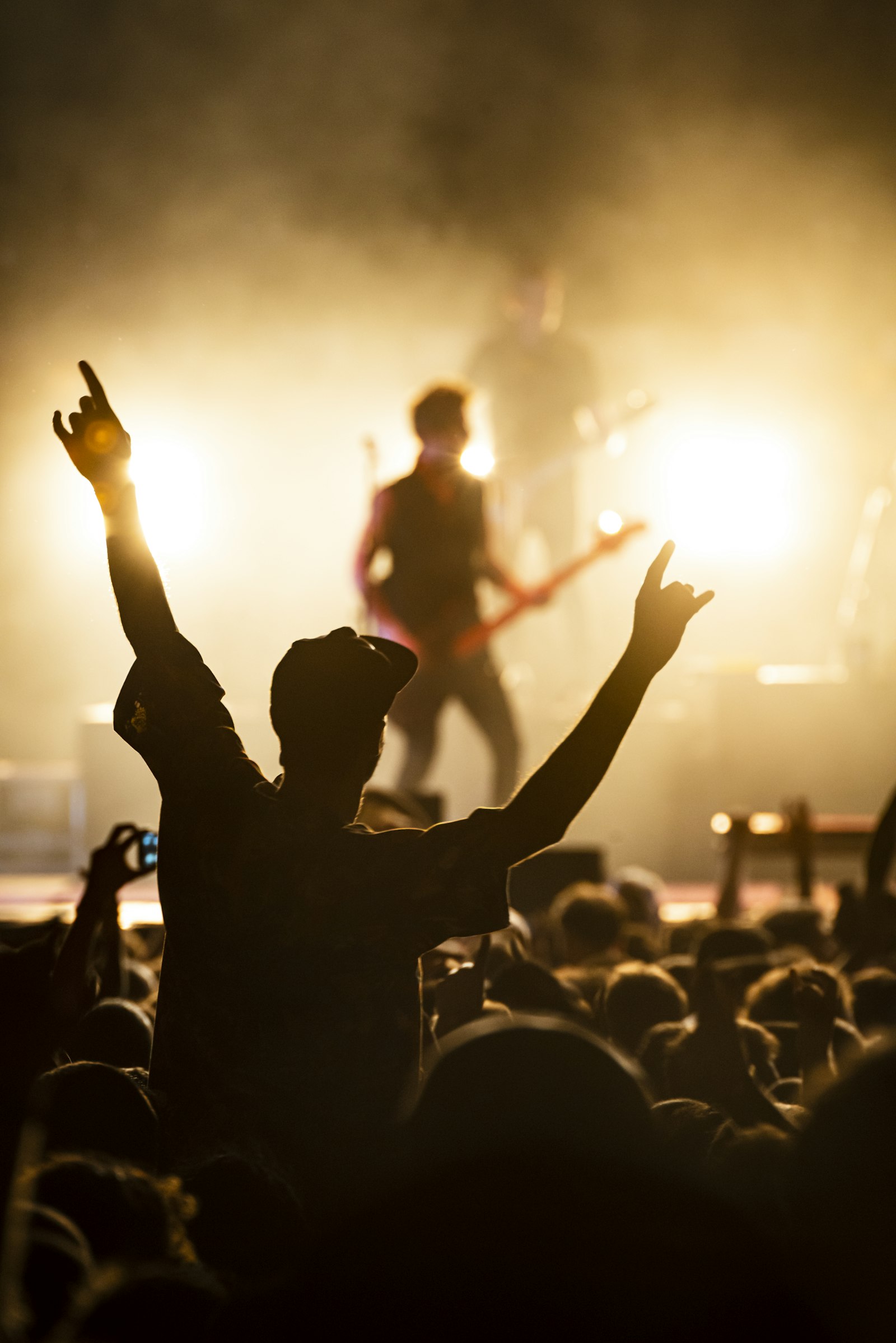
Denmark's Roskilde has been Northern Europe's cultural anchor since 1971, drawing roughly 130,000 to a site west of Copenhagen. It operates as a nonprofit, channeling proceeds into humanitarian causes — over DKK 400 million donated since inception. The campground warm-up days before music starts are an event in themselves.
Coachella — 125,000
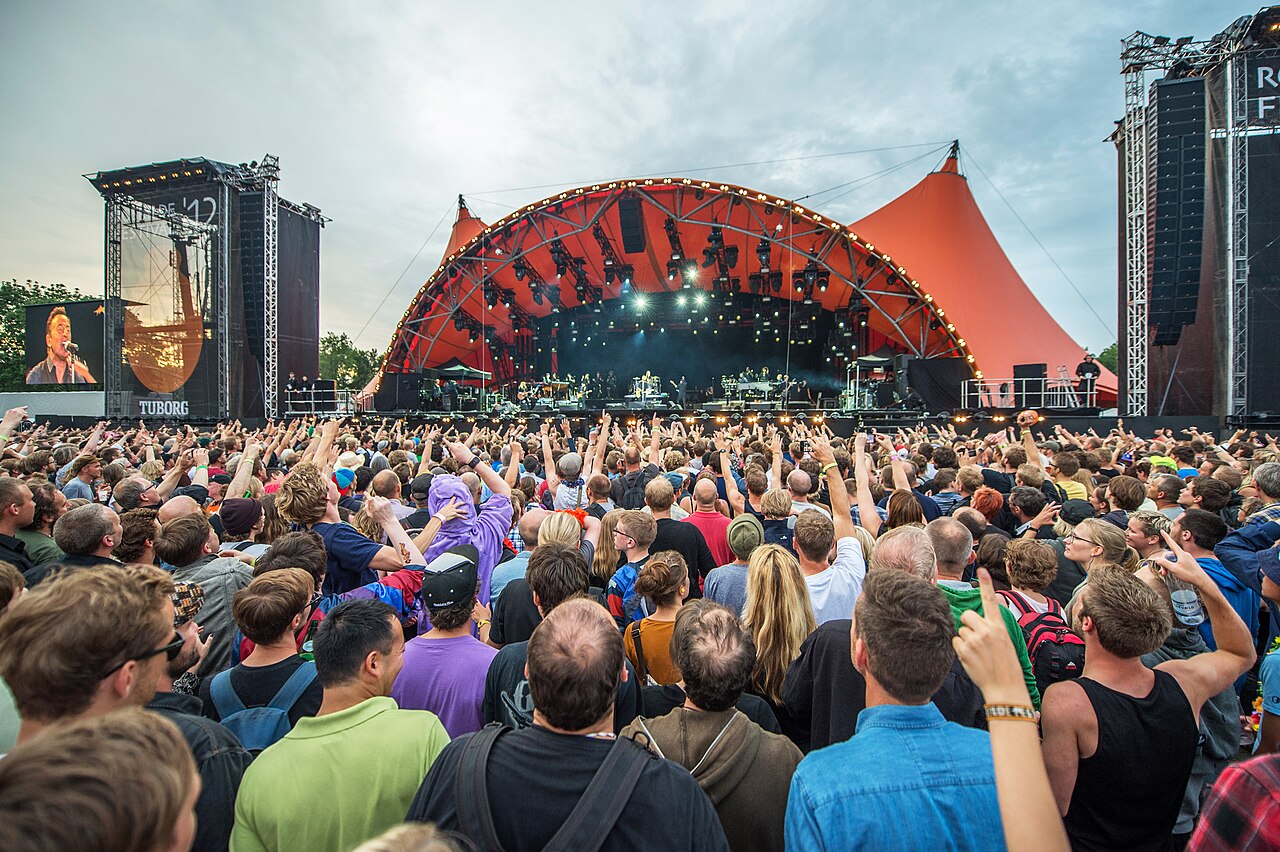
The Coachella Valley Music and Arts Festival draws approximately 125,000 per weekend across two identical weekends in April at the Empire Polo Club in Indio, California. Founded in 1999, it has become the benchmark against which other large-format festivals measure their production, booking, and cultural impact.
Download Festival — 111,000
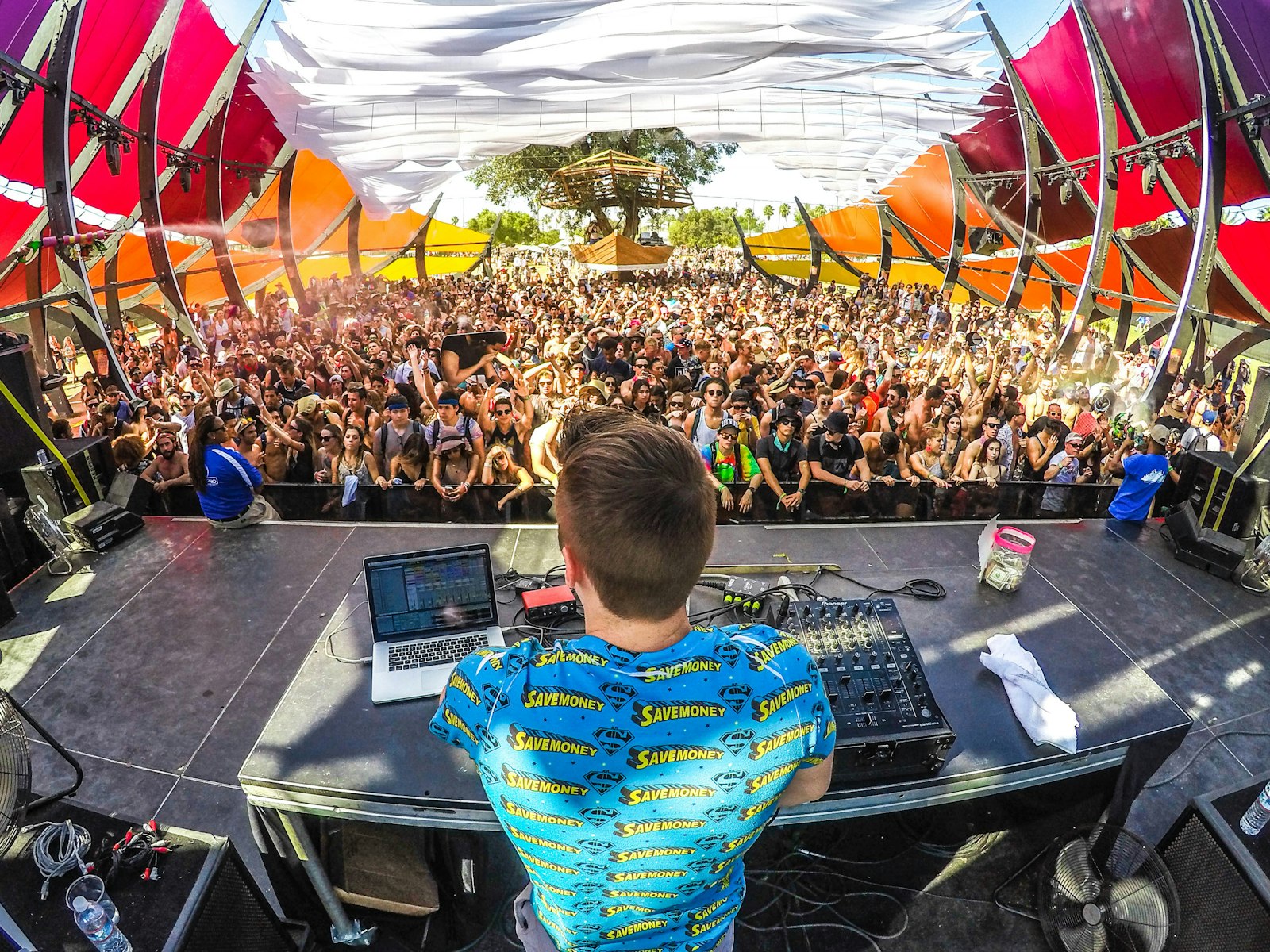
Donington Park's Download draws around 111,000 across three days, making it the UK's largest rock and metal festival. Founded in 2003 as a successor to Monsters of Rock, Download books the heaviest lineups of any festival at this scale — Iron Maiden, Metallica, and Slipknot are recurring headliners.

Lollapalooza — 100,000
Chicago's Grant Park hosts Lollapalooza every August, drawing roughly 100,000 daily across four days. Founded as a touring event by Perry Farrell in 1991, it settled into its permanent Chicago home in 2005 and has since expanded to editions in Brazil, Chile, Argentina, Germany, and India.

Sziget Festival — 100,000
Budapest's Sziget Festival occupies Obuda Island in the Danube, drawing around 100,000 attendees across a full week every August. Founded in 1993, it programs across rock, electronic, hip-hop, world music, theatre, and circus — making it one of the most genre-diverse festivals at any scale. The island setting creates a contained temporary city accessible only by bridge.
Rock am Ring — 90,000
Germany's Rock am Ring has operated at the Nürburgring motorsport complex since 1985, drawing around 90,000 across three days. The lineup runs heavy on rock, metal, alternative, and punk. Rock am Ring runs simultaneously with its sister festival Rock im Park in Nuremberg — same lineup, same weekend, different city.
What is the biggest music festival in the world?+
By total attendance, Summerfest in Milwaukee holds the Guinness World Record at approximately 800,000 across its multi-weekend run. By single-event scale, Tomorrowland in Belgium draws around 400,000 across two weekends. For single-weekend attendance, Glastonbury's 210,000 is the largest greenfield festival.
How are festival attendance numbers measured?+
Reported attendance figures come from festival organizers, local authorities, or ticketing data. Multi-weekend festivals typically report combined totals. Some figures represent capacity (maximum tickets sold) rather than actual attendance. Numbers should be treated as approximate.
Which large festival is easiest to attend?+
Lollapalooza and Governors Ball are the most accessible mega-festivals — both are in major cities with public transit access and require no camping. Coachella and Glastonbury require more logistical planning due to remote locations and limited ticket availability.